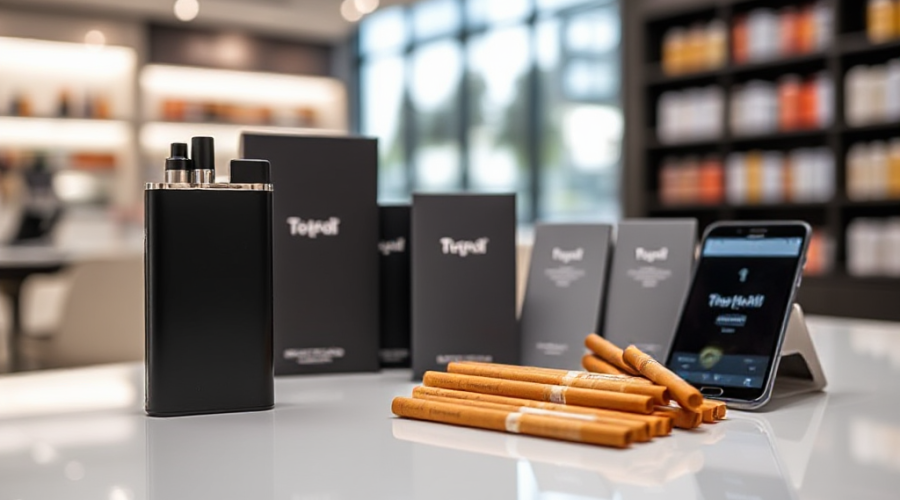
Preparing to Buy TEREA Sticks Online
By the time you finish reading this, you will have a clear routine for ordering TEREA sticks without wasted clicks, failed deliveries or compatibility surprises. I am not a retailer and I do not work for one. I am a long-term heat-not-burn user in Europe who has refined a small set of checks over several years of repeat orders. When someone asks me how to buy TEREA sticks online, I do not send them straight to a checkout page. I send them through the same preparation I use myself before every order. That routine is what follows, written as the questions I actually ask myself.
What do I check before I order anything?
Do I already know which TEREA variant I am replacing? That is the first question, and it matters more than price. TEREA sticks are sold in clearly labelled flavour lines, and the label on the pack is the only reliable reference. I keep one empty pack from my last box in a drawer. When I sit down to reorder, I read the exact variant name from that pack rather than trusting memory. Flavour names are similar enough that guessing leads to a box I will not finish.
Is my device the one these sticks are made for? TEREA sticks are designed for the IQOS ILUMA family, which uses induction heating rather than a blade. If I were still using an older blade-based holder, TEREA would not be the right consumable at all. So before I open any shop, I confirm the device model I own and the stick family it accepts. This single check prevents the most common mistake I see among new buyers.
How many packs do I realistically use in a month? I track this loosely. I know roughly how long a carton lasts me, and I order slightly ahead of that rhythm rather than in a panic when the last pack is open. Ordering ahead is not about hoarding. It is about not paying for express shipping because I left it too late.
What is my total budget including delivery? The product price is only part of the number. I add the shipping cost and any payment fee before I compare shops. A cheaper listing with expensive delivery is not cheaper. I learned this the ordinary way, by comparing two invoices after the fact.
Which shop details actually decide the order?
Does the shop state clearly which countries it delivers to? I want an explicit list, not a vague promise of European coverage. If my country is named, I can proceed. If it is not, I email before ordering. A shop that answers that question quickly is usually a shop that handles delivery problems properly too.
Are the payment options ones I am willing to use? I look for card payment or a recognised European payment method, and I check whether the checkout page is secure before I type anything. I never send card details by email or chat. No legitimate shop needs that.
Is the product page specific? I want to see the variant name, the pack count and the carton size stated plainly. Vague listings with a generic photo and no pack information are a warning sign. I would rather pay slightly more for a listing that tells me exactly what arrives in the box.
What do the delivery estimates say, and are they realistic? A shop that promises next-day delivery across the whole of Europe is usually overpromising. I prefer a shop that gives a range and names the courier. That is a sign the logistics are actually managed rather than described.
Do I understand the age requirement? These are tobacco products for adults. I expect an age check at checkout and I expect to show identification on delivery in some markets. A shop that skips this step is not being convenient; it is being careless, and that carelessness tends to show up elsewhere in the process.
What is the returns or problem policy if the wrong box arrives? I read this before ordering, not after. It takes two minutes and it tells me whether the shop has thought about the customer’s side of a mistake.
How does the actual order routine run?
I order in a fixed sequence so I do not skip a step when I am in a hurry. First, I confirm the variant name from my empty pack. Second, I check the shop’s country list and delivery estimate. Third, I add the correct quantity to the cart and read the cart summary line by line, because cart summaries are where pack counts get misread. Fourth, I check the shipping cost and the final total before payment. Fifth, I pay through the shop’s own secure checkout. Sixth, I save the order confirmation email in a folder rather than leaving it in the inbox.
That last step has saved me twice. When a parcel was delayed, I had the order number and the exact variant name ready, and the support exchange took one message instead of five.
I also keep a simple note of what I ordered and when it arrived. Over a year, that note tells me my real consumption rate, which makes the next order easier to size. It also shows me which shops have been consistently reliable and which have not.
One more habit: I do not order during a holiday period unless I have planned for it. Public holidays in the shop’s country and in mine both affect delivery. A little calendar awareness avoids most of the frustration people associate with online tobacco orders.
None of this is complicated. It is just a short checklist that turns a slightly anxious purchase into a routine one. Once the sequence is fixed, ordering takes a few minutes and the result is predictable, which is exactly what I want from a repeat purchase.